
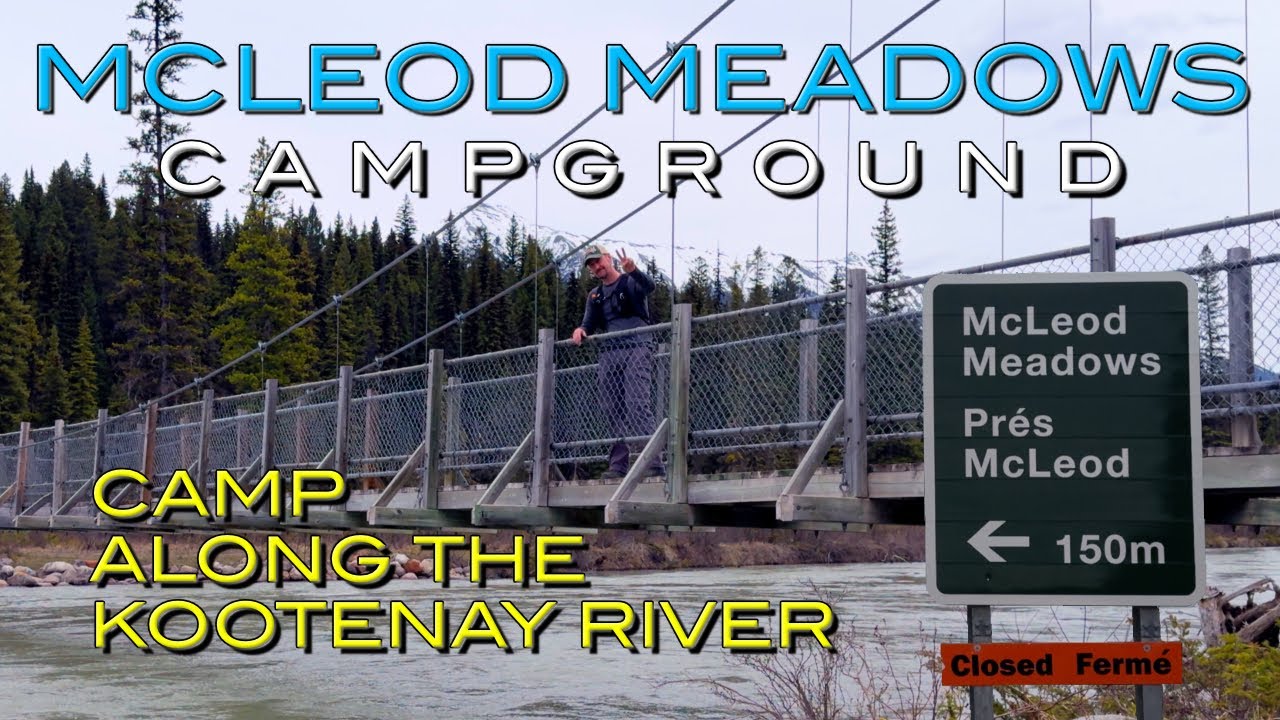
In this exploration, I spend several hours at McLeod Meadows Campground, tucked away on the southern side of Kootenay National Park in British Columbia. The campground sits about 100 kilometers south of Lake Louise, Alberta and approximately 30 kilometers north of the town of Radium Hot Springs, BC. This positioning gives it a strategic location for accessing multiple hiking trails, day-use areas, rivers, lookouts, and waterfalls throughout the region.
What makes this particular campground special is how it manages to keep you far enough away from busy tourist towns to be completely submerged in the quiet of the mountains, while still providing convenient access to some of the park’s most compelling natural attractions. The combination of riverside setting, mountain views, and proximity to trails like Dog Lake makes it worth considering whether McLeod Meadows might be a hidden gem along the Kootenay River.
In my video below, I walk through the experience exactly as shown and explained:
The Setting and Location
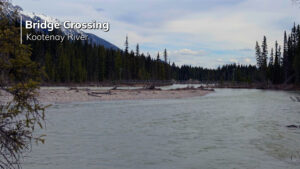
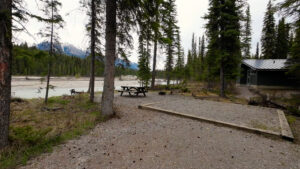
McLeod Meadows Campground occupies a quiet wooded area right on the Kootenay River banks. The views of the surrounding mountains are spectacular from this vantage point. The setting itself is one of the campground’s strongest features—you’re positioned in a spot where the open grasslands and river flood plains create an ideal habitat for wildlife viewing. During early summer, the wildflower blooms throughout these meadows add another layer of beauty to an already impressive natural setting.
The campground’s location within the park system is particularly advantageous. Being situated roughly halfway between Lake Louise and Radium Hot Springs means you have options. You can venture north into the heart of the Canadian Rockies or explore the southern reaches of the park. This central positioning makes McLeod Meadows an excellent base camp for anyone planning to spend multiple days exploring Kootenay National Park and the surrounding areas.
Campground Facilities and Amenities
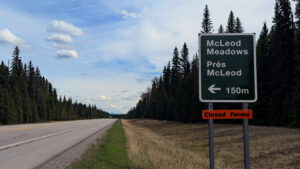
The campground features 88 sites in total and operates seasonally, opening to visitors in early June and remaining accessible until early September each year. The sites themselves are unserviced, which means they’re best suited for tenting, as well as motorhomes and trailers that are under 30 feet in length. If you’re traveling with a larger RV, this is an important consideration to keep in mind when planning your stay.
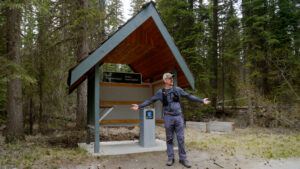
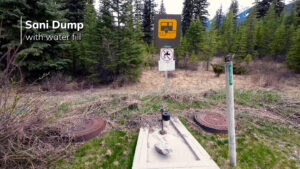
Despite being an unserviced campground review destination, McLeod Meadows doesn’t skimp on amenities. You’ll find drinking water available throughout the campground, which is essential for any camping stay. There’s also a sani dump for those who need it, and flush toilets rather than just basic outhouses, which many campers appreciate for the added comfort.
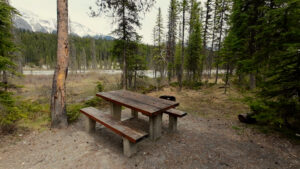
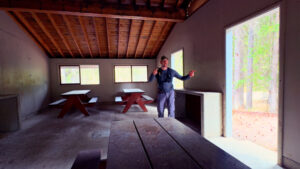
Each site comes equipped with a fire pit, allowing you to enjoy traditional campfires in the evening. The campground also provides several communal facilities that enhance the camping experience. There’s a picnic shelter and a cooking shelter, both of which can be invaluable during inclement weather or for group gatherings. Food lockers are available throughout the campground—an essential feature in bear country where proper food storage isn’t just recommended but mandatory. Interestingly, the campground also features a theater, which adds an educational and entertainment component to your stay.
Access to Dog Lake Trail
One of the significant advantages of staying at McLeod Meadows is the easy access to the Dog Lake Trail. This proximity means you can literally walk from your campsite to the trailhead, making it convenient for early morning hikes or casual afternoon walks. Having immediate trail access from your campground eliminates the need to pack up, drive to a trailhead, find parking, and go through all the logistics that usually accompany a day hike. Instead, you can simply lace up your boots and go.
The Dog Lake Trail takes you through the type of terrain that makes this region famous—pristine mountain landscapes, forested areas, and eventually to the lake itself. The accessibility of this trail from the campground makes it particularly appealing for families or anyone who wants to maximize their time on the trail rather than on the road.
Wildlife Viewing Opportunities
The open grasslands and river flood plains surrounding McLeod Meadows create an ideal habitat for wildlife. This ecological setting means that the area naturally attracts various species throughout the day. When you’re camping in a location like this, the wildlife viewing opportunities extend beyond just scheduled hikes or specific viewing times—instead, wildlife encounters can happen right from your campsite or during casual walks around the campground.
The riverside location along the Kootenay River adds another dimension to the wildlife viewing experience. Rivers are natural corridors for animal movement, and the flood plains provide rich feeding grounds. During early summer, when the wildflowers are blooming throughout the meadows, the area becomes even more attractive to various species. This combination of habitat types—river, meadow, and forest—creates biodiversity that enhances the overall camping experience.
The Quiet Mountain Experience
What struck me most during my several hours exploring this campground was the sense of quiet that permeates the area. Being far enough away from the towns means you’re truly submerged in the mountain environment. There’s no ambient noise from traffic, no light pollution obscuring the night sky, and no constant flow of tourists that you might find at campgrounds closer to major attractions like Lake Louise or Moraine Lake.
This quietness is becoming increasingly rare in popular national parks. Many campgrounds, especially those in Banff National Park and the more accessible parts of Jasper National Park, are heavily trafficked throughout the summer season. McLeod Meadows, by virtue of its location in the southern part of Kootenay National Park, seems to capture some of that old-school camping experience where you can actually hear the river, listen to the birds, and experience the mountains without constant human activity around you.
Strategic Location for Exploring the Region
The campground’s position makes it an excellent launching point for exploring not just Kootenay National Park, but the broader Canadian Rockies region. At 100 kilometers south of Lake Louise, you’re within reasonable driving distance of some of the most iconic locations in the mountain parks. This means you could base yourself at McLeod Meadows and take day trips to explore areas in Banff, Yoho National Park, or other parts of Kootenay.
Being 30 kilometers north of Radium Hot Springs also gives you convenient access to that town when you need to restock supplies, grab a meal out, or simply want a break from camp cooking. The town offers various services and amenities while still being far enough away that you don’t feel like you’re camping in someone’s backyard.
Within Kootenay National Park itself, McLeod Meadows provides access to numerous hiking trails, waterfalls, lookouts, and day-use areas. The park may not receive the same level of attention as Banff or Jasper, but it contains remarkable natural features and significantly fewer crowds. Having a comfortable base camp at McLeod Meadows means you can explore these features at your own pace over multiple days.
Seasonal Considerations
The campground operates from early June through early September, which captures the prime summer camping season in the Canadian Rockies. This seasonal window is determined by several factors, including weather conditions, snowpack levels, and park service capacity. The early June opening typically coincides with the early summer wildflower blooms that make the meadows particularly beautiful.
Camping during different parts of this season offers distinct experiences. Early June brings those wildflowers and the freshness of spring transitioning to summer, though weather can still be unpredictable with cooler temperatures and possible precipitation. Mid-summer, from July through early August, typically offers the most stable weather and warmest temperatures, making it ideal for families and those seeking more predictable conditions. Late August through early September brings autumn colors beginning to appear, cooler nights that are perfect for campfires, and often fewer crowds as families return home for the school year.
Practical Considerations for Your Visit
When planning a stay at McLeod Meadows, the unserviced nature of the sites means you’ll need to come prepared. There are no electrical hookups, so if you’re bringing an RV, you’ll be relying on your battery systems and potentially a generator during permitted hours. The 30-foot length restriction for motorhomes and trailers is firm, so measure your rig before assuming you’ll fit.
For those tent camping, the wooded setting provides natural shelter and privacy between sites. The presence of food lockers cannot be overstated in terms of importance—using them properly is not optional in bear country. Parks Canada takes wildlife safety seriously, and proper food storage protects both you and the bears. Any scented items, toiletries, cooking equipment, and obviously all food must be secured when not in active use.
The cooking shelter and picnic shelter are shared facilities that work on a first-come, first-served basis. These can be particularly valuable during rainy periods, which are not uncommon in the mountains even during summer. Having a dry place to cook and eat when your campsite is wet makes a significant difference in comfort and morale.
Connecting to Broader Rocky Mountain Adventures
My exploration of McLeod Meadows is part of my ongoing documentation of the Canadian Rockies that I’ve been conducting since 2020. Throughout my adventures, I’ve covered extensive ground across the mountain parks, exploring everything from iconic locations to lesser-known gems. Whether you’re looking for things to do in Jasper National Park like Maligne Lake, Spirit Island, or Athabasca Falls, or searching for hikes such as Valley of the Five Lakes, along the Icefields Parkway, or the Skyline trail, or even trying to determine where to stay among the various campgrounds, cabins, and hotels in these parks—the goal is to provide detailed, first-hand information.
The same applies to Banff National Park, where I’ve explored popular destinations like Johnston Canyon, Lake Louise, and Moraine Lake, along with numerous day hikes including Tunnel Mountain, Sentinel Pass, and Bow Glacier Falls. Understanding where to stay in Banff among all the options for campgrounds, cabins, and hotels is part of the comprehensive picture I try to paint for anyone planning a trip.
Even Yoho National Park has received significant attention, covering attractions like Natural Bridge, Takakkaw Falls, and Emerald Lake, along with some of the most spectacular hikes in the Rockies including the Lake O’Hara Alpine Circuit, Iceline Trail, and Hamilton Lake Trail. Again, knowing where to stay—whether in campgrounds, cabins, or hotels—completes the planning puzzle.
All of this content provides endless ideas for road trips, travel guides, campground reviews, and itinerary information that proves invaluable when planning trips throughout Alberta or British Columbia. McLeod Meadows fits into this broader context as a campground that offers something different from the heavily touristed options—a chance to experience the mountains with a bit more solitude and direct connection to the natural environment.
The River Setting
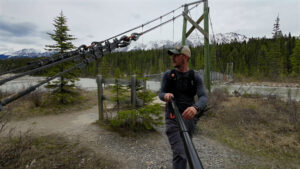
The Kootenay River is central to the McLeod Meadows experience. Being positioned right on the river banks means you have the constant presence of flowing water, which creates both an auditory backdrop and visual appeal throughout your stay. Rivers in mountain environments are dynamic features—they change throughout the day as temperatures affect snowmelt, they create microclimates in their immediate vicinity, and they support rich ecological systems.
The flood plains along the river represent areas where the water periodically spreads beyond its normal channel, depositing nutrients and creating the fertile grasslands that characterize the meadows. These areas are ecologically significant and support diverse plant and animal communities. For campers, this means you’re not just beside a river—you’re within a complex and vibrant ecosystem that changes with the seasons and even throughout a single day.
Is It Really a Hidden Gem?
The question posed at the beginning—whether McLeod Meadows is a hidden gem of the Kootenay River—deserves consideration after spending time at the campground. In many ways, it fits the definition of a hidden gem. It offers spectacular mountain views, excellent facilities, immediate trail access, rich wildlife viewing opportunities, and a quiet mountain experience, all while being strategically positioned for exploring a large region of the Canadian Rockies.
What keeps it “hidden” is likely its location in Kootenay National Park, which itself receives far fewer visitors than neighboring Banff or Jasper. Many travelers stick to the most famous destinations, sometimes driving right through Kootenay on the way between other parks without fully exploring what it offers. McLeod Meadows benefits from this pattern—it remains accessible and relatively uncrowded even during peak summer season, offering an experience that feels more remote and wild than campgrounds with comparable amenities in busier parks.
The combination of being far enough from towns to feel truly immersed in nature, while close enough to access services when needed, strikes an ideal balance. The seasonal wildflower displays, the riverside setting, the mountain backdrop, and the proximity to trails create a compelling package. For those willing to venture slightly off the most beaten paths in the Rockies, McLeod Meadows represents exactly the kind of place that makes exploration worthwhile—a place where you can establish a comfortable base camp and genuinely experience the mountains rather than just passing through them.