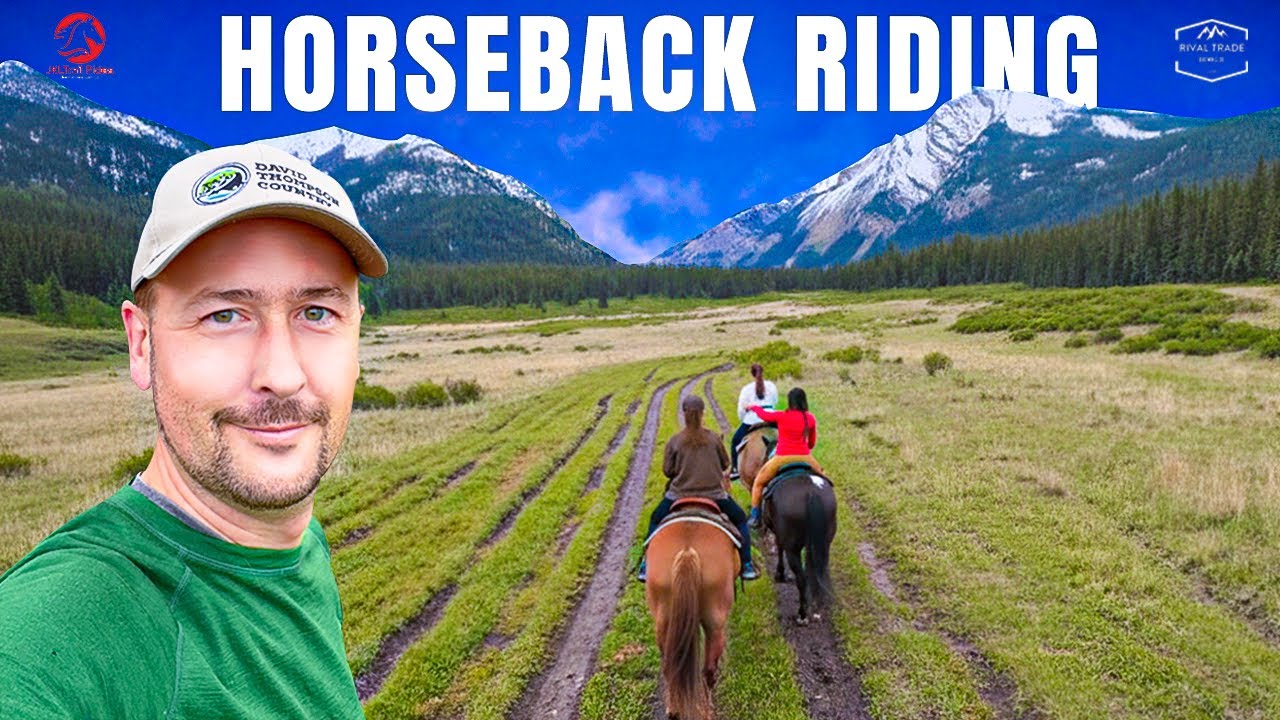
In this video, I’m taking you along on a three-day adventure deep into the Ya Ha Tinda area, a massive mountain prairie that sits right on the edge of Banff National Park. This isn’t just any trail ride. It’s a genuine exploration of one of Alberta’s most storied landscapes, where Parks Canada has been managing warden horses for over a century. We packed three full days of activities into this trip, from ranch exploration and lookout day hikes in the rain to horseback riding deep into the mountains toward Eagle Lake, and we wrapped it all up with an incredible river run down the Red Deer River.
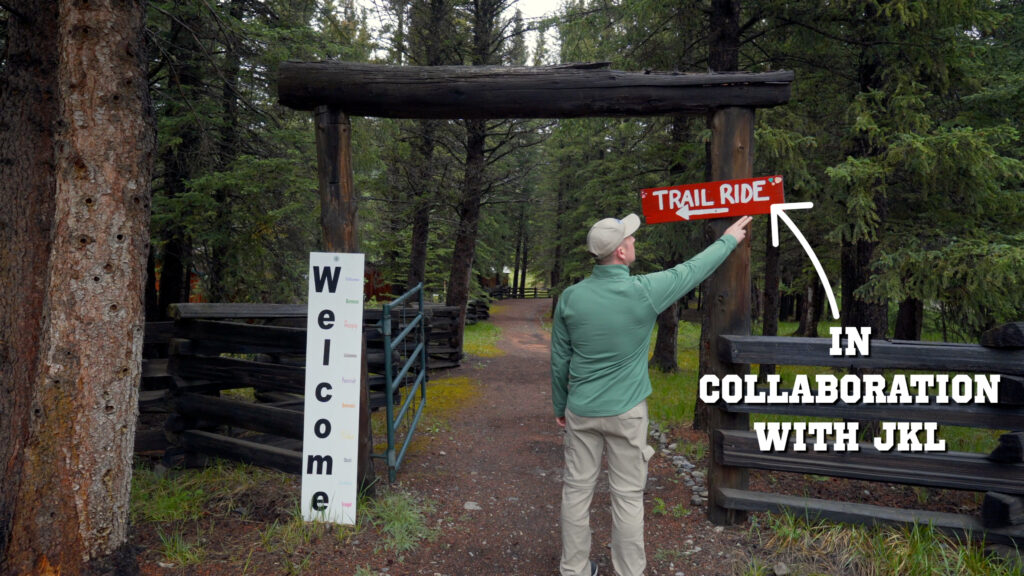
Ya Ha Tinda holds a special place in Alberta’s mountain culture. This sprawling prairie, controlled by Parks Canada, has been a working ranch for generations, serving as the home base for the horses that wardens have relied on to patrol and protect our national parks. It’s a landscape where mountain wilderness meets ranching tradition, and it offers a rare glimpse into both the natural beauty and the human history that have shaped this region. Getting to experience this area through JKL Trail Rides gave us access to trails and experiences that most visitors never get to see.
In my video below, I walk through the experience exactly as shown and explained:
Arriving at the Diamond J Facility
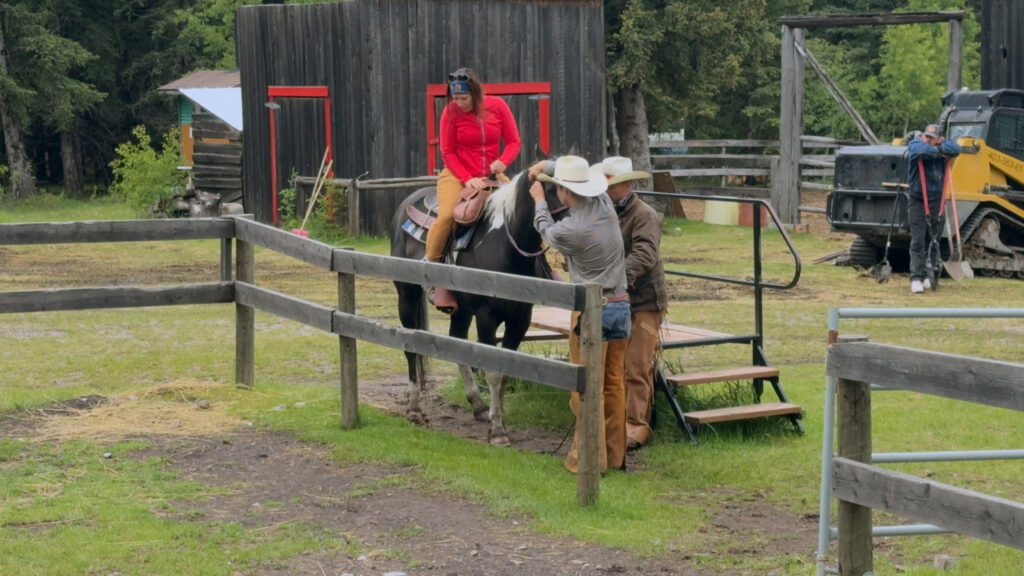
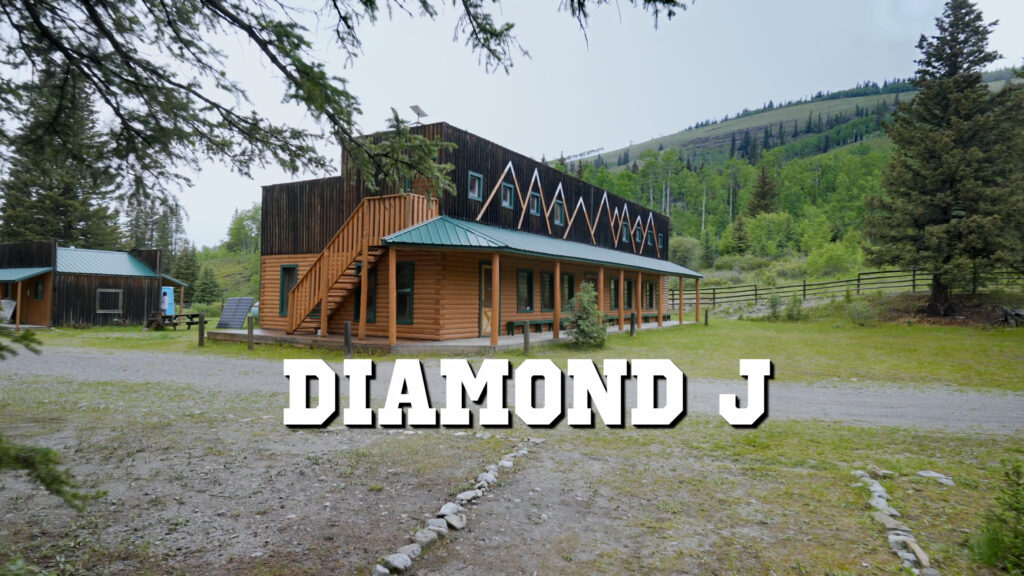
Our base for this adventure was the new Diamond J facility, operated by JKL Trail Rides. From the moment we arrived, it was clear this was an active, working ranch. The energy of the place was infectious. Horses were being tended to, equipment was being moved, and there was a genuine sense of purpose in the air. This wasn’t a tourist attraction pretending to be a ranch; it was the real deal, and we were fortunate enough to be experiencing it firsthand.
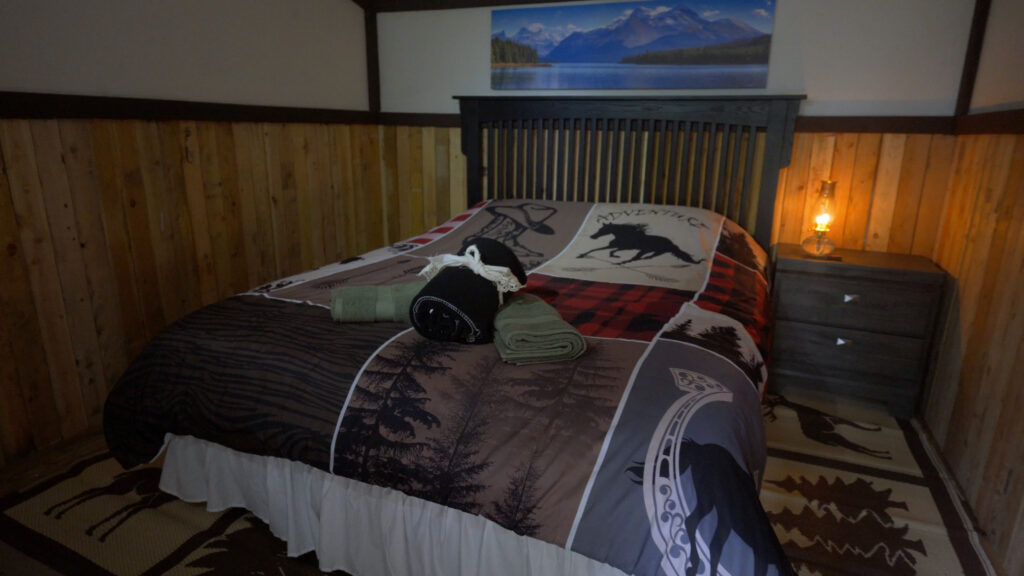
The facility itself is impressively equipped. They have a full restaurant on-site, which was a welcome surprise after a long day on the trail. There are also cabins available for guests who want a more comfortable overnight experience. We spent time just wandering the property, taking in the sights and sounds of ranch life, and getting to know the horses that would be our companions over the next few days.
Ranch Life and Exploration
One of the highlights of staying at an active ranch is simply being able to observe the daily rhythms of the operation. We got the chance to explore the ranch grounds, watching as the crew went about their work. There’s something deeply satisfying about seeing people who are truly skilled at what they do, whether it’s handling horses, maintaining equipment, or managing the logistics of running a facility in such a remote location.
The Diamond J facility sits in a landscape that’s both expansive and intimate. The massive prairie stretches out in every direction, backed by mountain ridges that define the horizon. It’s the kind of place where you can feel both the vastness of the wilderness and the cozy comfort of a well-run operation. Being there gave us a real appreciation for the work that goes into maintaining this connection between the ranch and the surrounding backcountry.
Lookout Hiking in the Rain
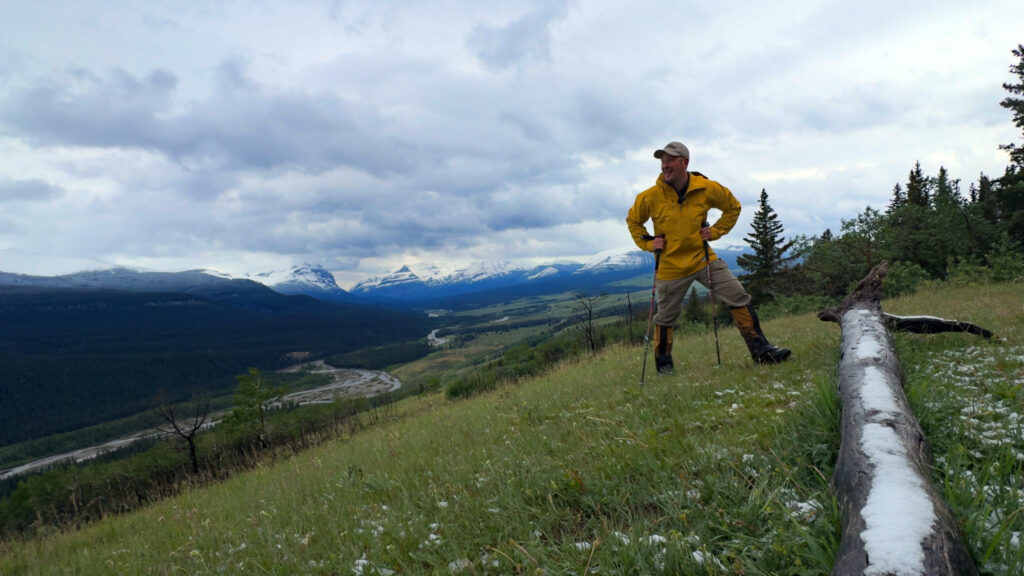
Not every moment of an outdoor adventure comes with blue skies and sunshine, and our lookout hike was a perfect reminder of that. We headed out to explore one of the nearby lookout points, hoping for sweeping views of the Ya Ha Tinda prairie and the mountains beyond. What we got instead was rain. But that’s part of the experience when you’re out in the mountains, and honestly, it added a certain character to the day.
Hiking in the rain requires a different mindset. You accept that you’re going to get wet, you trust your gear, and you keep moving. The trail became slick in places, and the clouds hung low over the ridges, obscuring some of the views we’d hoped for. But there was also something beautiful about being out there in the weather, feeling the raw power of the mountain environment. The rain didn’t stop us; it just changed the nature of the experience.
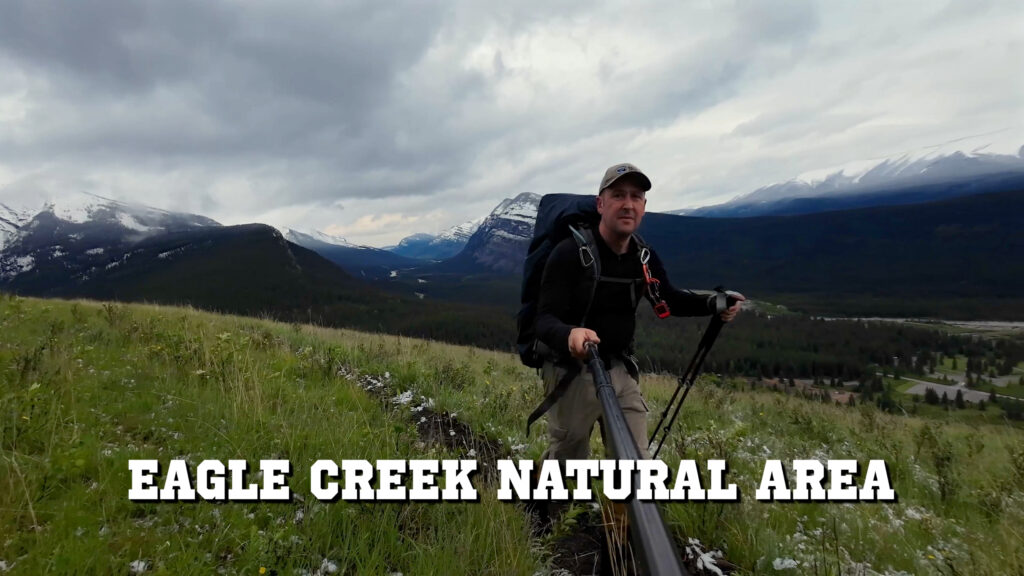
When we did catch glimpses through the clouds, the views were worth every step. The prairie below stretched out like a living map, dotted with horses and framed by the dark outline of surrounding peaks. Even in the rain, you could sense the scale and significance of this landscape. It’s a place that has supported life and work for generations, and standing up on that lookout, you feel connected to that history.
Deep into the Mountains: Riding Toward Eagle Lake
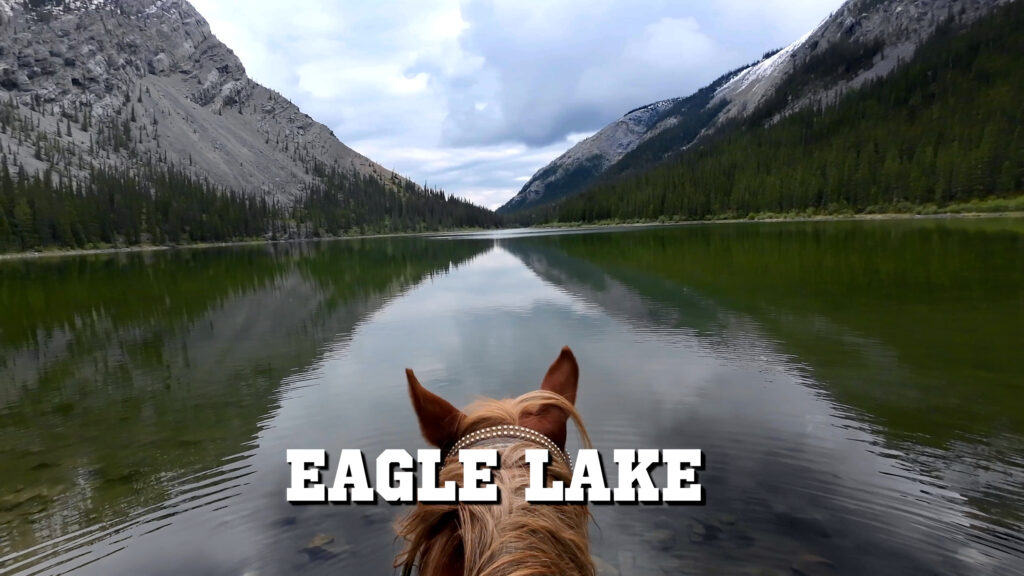
The horseback portion of our trip was the main event, and it didn’t disappoint. We mounted up and headed deep into the mountains, riding trails that wound through forest and meadow, always with the peaks rising around us. Our destination was in the direction of Eagle Lake, a remote body of water tucked into the high country. This wasn’t a gentle trail ride through flat terrain; this was serious backcountry travel, and the horses were as essential to the experience as the landscape itself.
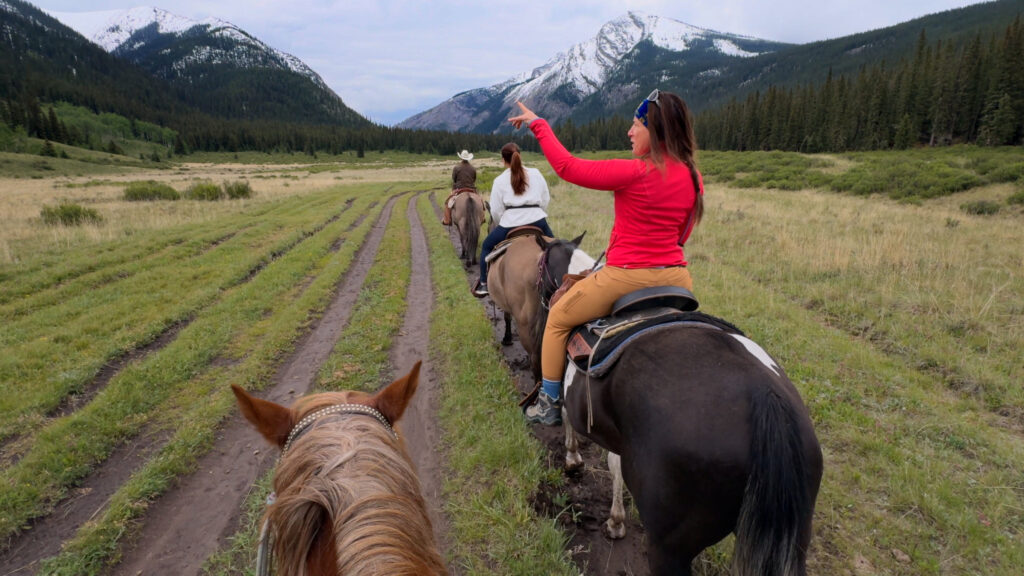
Riding a horse in the mountains is unlike any other way of experiencing the backcountry. You cover ground at a steady pace, and the horse’s sure-footedness gives you confidence on trails that would be challenging on foot. There’s also a rhythm to it, a meditative quality that comes from moving through the wilderness in partnership with an animal that knows the terrain far better than you do.
As we rode deeper into the backcountry, the scenery shifted. The open prairie gave way to dense forest, and then the trees would open up again to reveal alpine meadows and rocky ridges. The trail climbed steadily, and with each gain in elevation, the views expanded. We could see back toward the ranch, out over the prairie, and up into the wild country that surrounds Eagle Lake.
The horses handled the terrain with ease, navigating rocky sections and creek crossings without hesitation. Our guides from JKL Trail Rides were knowledgeable and attentive, making sure everyone was comfortable and safe while also sharing stories about the area and its history. It was clear they knew these trails intimately, and their expertise added depth to the entire experience.
The Red Deer River Run
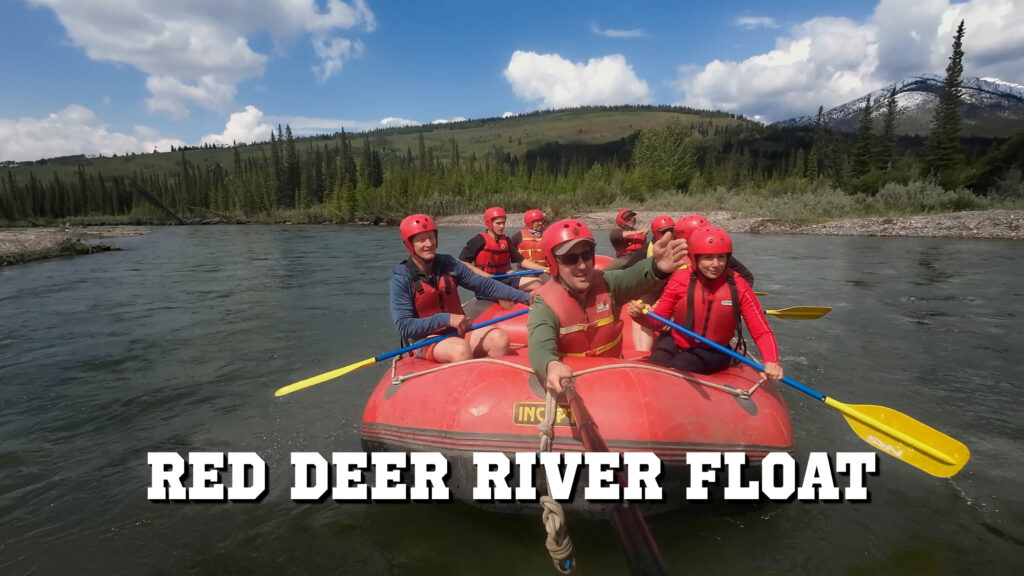
We finished our three-day adventure with something completely different: a river run down the Red Deer River. After days on horseback and on foot, getting out onto the water was a refreshing change of pace. The Red Deer River cuts through this landscape with power and grace, and floating down it gives you yet another perspective on the Ya Ha Tinda region.
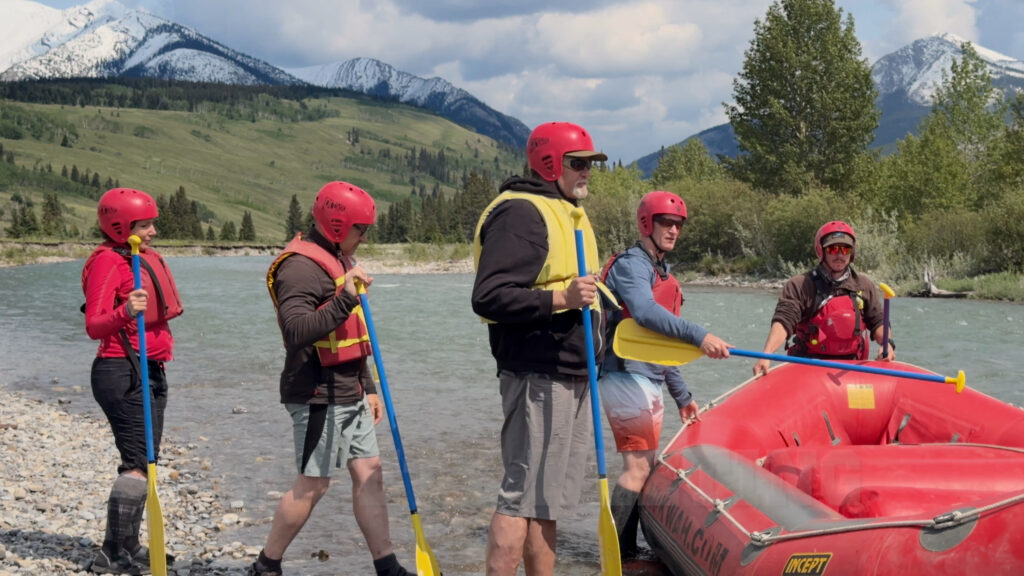
The river run was stellar. The water was clear and cold, fed by mountain snowmelt, and the current carried us smoothly through a landscape that felt both wild and welcoming. From the river, we could see the prairie and mountains from a completely new angle, and it was a perfect way to cap off the trip. The rhythm of the paddle, the sound of the water, and the sight of the surrounding wilderness all combined to create a sense of peace and accomplishment.
Floating down the Red Deer, I couldn’t help but reflect on the variety of experiences we’d packed into just three days. We’d explored a working ranch, hiked through rain to a mountain lookout, ridden horses deep into the backcountry, and now we were gliding down a river that has shaped this valley for millennia. Each activity offered its own rewards, and together they painted a complete picture of what makes the Ya Ha Tinda area so special.
A Truly Albertan Adventure
This trip was a reminder of what makes Alberta’s mountain country so compelling. The Ya Ha Tinda area is managed by Parks Canada and sits right on the boundary of Banff National Park, but it has its own distinct character. It’s not just a gateway to the park; it’s a destination in its own right, with a history and a culture that are deeply tied to the land.
For over a century, this area has been home to the warden horses that patrol the national parks. These horses are bred, trained, and cared for here, and their presence is a living link to the way the parks were originally managed. Being able to ride through this landscape on horses that are part of that tradition added a layer of meaning to the entire experience.
Staying at the Diamond J facility from JKL Trail Rides gave us the perfect base for exploring. The combination of comfortable accommodations, excellent food, and genuine ranch hospitality made the trip as enjoyable off the trail as it was on it. And the variety of activities available meant that we could experience the area in multiple ways, from the back of a horse to the seat of a raft.
Why Ya Ha Tinda Matters
There’s something important about places like Ya Ha Tinda. In a world where wild spaces are increasingly fragmented and commercialized, this area represents a different approach. It’s a working landscape that serves both practical and conservation purposes. The horses that are raised here aren’t just for show; they’re essential tools for managing the backcountry of our national parks. And the fact that visitors can come here and experience that tradition firsthand is a gift.
The connection between Banff National Park and the Ya Ha Tinda area is also significant. This massive mountain prairie acts as a buffer zone, a transition space where the wilderness of the park meets the ranching culture of the foothills. It’s a reminder that conservation and human use don’t have to be mutually exclusive, and that with thoughtful management, both can thrive.
Riding toward Eagle Lake, we were traveling through country that has been traversed by Indigenous peoples, explorers, wardens, and ranchers for generations. The trails we followed weren’t arbitrary; they were routes that had been proven over time, paths that made sense in the landscape. There’s a humility that comes with that realization, a recognition that we’re part of a much longer story.
The Experience of Multi-Day Exploration
Spending three days in one area allowed us to develop a real relationship with the place. On the first day, everything was new and a little overwhelming. By the second day, we were starting to recognize landmarks and understand the layout of the land. By the third day, we felt like we belonged there, at least temporarily. That progression is only possible with time, and it’s why multi-day trips are so much more rewarding than quick visits.
Each day brought its own challenges and rewards. The rain on our lookout hike tested our resolve and our gear. The long horseback ride toward Eagle Lake demanded endurance and trust in our mounts. The river run required teamwork and awareness. But none of it felt like work. It all felt like privilege, like we were being given access to something rare and valuable.
The rhythm of the days also mattered. Wake up at the ranch, fuel up with a good meal, head out for the day’s activity, return tired and satisfied, share stories over dinner, and then rest up for the next day. It’s a simple pattern, but it’s one that allows you to fully immerse yourself in the experience without distraction.
The Role of JKL Trail Rides
None of this would have been possible without the expertise and infrastructure provided by JKL Trail Rides. Operating in a remote area like Ya Ha Tinda requires serious logistical capability, and they’ve clearly mastered it. From the quality of the horses to the skill of the guides to the comfort of the facilities, every aspect of the operation reflected a commitment to excellence.
What impressed me most was the authenticity. This wasn’t a sanitized, touristy version of ranch life. It was the real thing, with all the hard work and practical considerations that entails. And yet they’ve managed to make it accessible and welcoming to visitors who might not have any previous experience with horses or backcountry travel. That balance is difficult to achieve, and they do it well.
The restaurant at the Diamond J facility deserves special mention. After a long day on the trail, having access to hot, hearty meals made all the difference. And the cabins provided a level of comfort that allowed us to rest properly and be ready for the next day’s adventures. These might seem like small details, but they’re actually crucial to the overall experience.
Reflections on the Landscape
The Ya Ha Tinda area is visually stunning, but it’s more than just pretty scenery. It’s a functional landscape, shaped by geology, ecology, and human use over thousands of years. The prairie provides grazing for horses and wildlife. The forests offer shelter and timber. The rivers supply water and transportation routes. The mountains create weather patterns and define boundaries. Everything is connected, and everything has a purpose.
Riding through that landscape on horseback, you become aware of those connections in a way that’s difficult to achieve from a vehicle or even on foot. The horse responds to the terrain, choosing its footing carefully, pausing to drink from streams, adjusting its pace based on the gradient. You learn to read the land through the animal’s responses, and that creates a deeper level of engagement.
The proximity to Banff National Park also adds context. Standing on the lookout in the rain, we could see into the park, recognizing familiar peaks and valleys. But we were outside the park, in a place with different rules and different possibilities. That boundary is important, both legally and conceptually. It defines different approaches to land management, and experiencing both sides of that boundary enriches your understanding of each.
The Value of Weather Challenges
I want to return to the rainy lookout hike for a moment, because it represents something important about outdoor adventure. Not every moment is going to be perfect. Sometimes it rains. Sometimes trails are muddy. Sometimes views are obscured by clouds. But those challenges are part of the authentic experience, and embracing them rather than resenting them makes all the difference.
Hiking in the rain taught us things that hiking in sunshine never could. We learned what our rain gear could handle. We learned how to navigate slippery terrain. We learned that we could be uncomfortable and keep going. And we learned that there’s a certain satisfaction that comes from persevering through conditions that would make others turn back.
When we did catch those glimpses of the view, they meant more because we’d earned them. And back at the ranch, drying off and warming up, there was a sense of accomplishment that wouldn’t have existed if the weather had been perfect. The rain became part of the story, not an inconvenience to be edited out.
The Complete Experience
What made this trip truly special was the variety. We didn’t just do one activity and call it good. We explored the ranch, hiked to a lookout, rode horses deep into the mountains, and finished with a river run. Each activity complemented the others, and together they created a complete portrait of what the Ya Ha Tinda area has to offer.
That variety also meant that we engaged with the landscape in multiple ways. From horseback, we could cover serious distance and access remote areas. On foot, we could climb to vantage points and move at our own pace. On the river, we experienced the landscape from water level, seeing it from yet another perspective. Each mode of travel revealed different details and created different memories.
The three-day format was ideal. It was long enough to feel like a real immersion, but not so long that it became exhausting or monotonous. We had time to settle in, to adapt to the rhythm of ranch life, and to fully engage with each activity. And we left wanting more, which is always a sign of a successful adventure.
Parks Canada’s Role
It’s worth acknowledging that this entire experience exists because of Parks Canada’s stewardship of the area. For over a hundred years, they’ve maintained the Ya Ha Tinda as a base for warden horses, preserving both the landscape and the tradition of horse-based backcountry patrol. That commitment to tradition in the service of conservation is admirable, and it’s created a place that benefits both wildlife and human visitors.
The warden horses raised here are working animals with an important job. They allow park staff to patrol remote areas, conduct wildlife surveys, maintain trails, and respond to emergencies in terrain where vehicles can’t go. They’re not a quaint historical artifact; they’re a practical tool that’s still relevant today. And the fact that visitors can ride similar horses in similar country creates a tangible connection to that ongoing conservation work.
Parks Canada’s management of the area also ensures that it remains relatively wild and undeveloped. There are no massive resorts or crowded campgrounds here. It’s a place where the landscape still dominates, where human infrastructure is kept to what’s necessary and appropriate. That restraint is increasingly rare, and it’s one of the things that makes the Ya Ha Tinda so valuable.
A Trip Worth Taking
If you’re looking for a genuine mountain experience in Alberta, the Ya Ha Tinda area should be on your list. The combination of dramatic landscape, rich history, and quality outfitting makes it a standout destination. And working with JKL Trail Rides ensures that you’ll have the support and expertise needed to make the most of your time there.
This isn’t a trip for people who want luxury or convenience. It’s for people who want authenticity, who are willing to get rained on and saddle-sore in exchange for access to something real and rare. It’s for people who understand that the best experiences often come with challenges, and that those challenges are what make the rewards meaningful.
The three days we spent exploring the mountains in the Ya Ha Tinda area gave us memories that will last far longer than any easy, comfortable trip ever could. From the active ranch life at the Diamond J facility to the long ride toward Eagle Lake to the stellar river run down the Red Deer, every moment contributed to an adventure that felt truly Albertan in the best possible sense. It was wild, it was authentic, and it was exactly the kind of experience that reminds you why these mountains matter.