
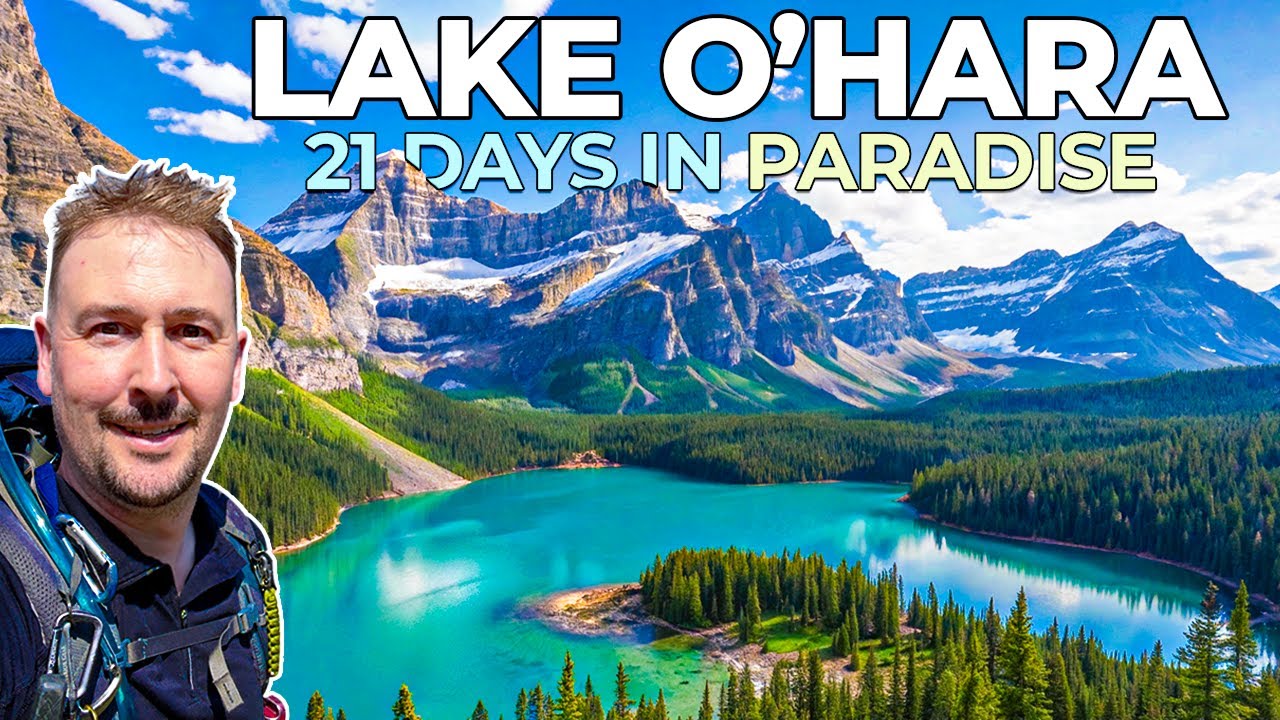
Lake O’Hara is often described as one of the most stunning destinations in the Canadian Rockies, and after spending an entire week hiking through the area to create a comprehensive guide, I can confirm that reputation is well-deserved. Instead of putting together a simple office-based overview, I dedicated my time to thoroughly exploring the trails, campsites, and natural features so I could give you a complete tour while sharing everything you need to know before visiting. This video project covers all the essential information for planning your trip, from how to access the area and campground logistics to the day hikes available, the gear you’ll need, the wildlife you might encounter, and how to prepare for the unpredictable mountain weather.
Located in Yoho National Park in British Columbia, Lake O’Hara represents one of the crown jewels of the Canadian mountain parks system. The area is carefully managed with restricted access to preserve its pristine alpine environment, which means planning ahead is essential. I spent considerable time preparing for this project because I wanted to create something that would remain useful for years to come as hikers prepare to explore what I genuinely believe is one of the most beautiful places in British Columbia. Whether you’re planning your first visit or returning to discover new trails, this guide walks through every aspect of the Lake O’Hara experience in the same order you’ll encounter them during your own adventure.
In my video below, I walk through the experience exactly as shown and explained:
Getting to Lake O’Hara
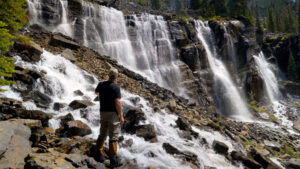
The journey to Lake O’Hara begins with understanding how to actually access this protected area. I filmed the first segment at Seven Veils Falls to give you a sense of the stunning scenery you’ll experience right from the start. Unlike many destinations in the Canadian Rockies where you can simply drive up and park, Lake O’Hara operates under a reservation system that limits the number of visitors. This controlled access is what keeps the area so pristine, but it also means you need to plan well in advance.
The access to Lake O’Hara is managed through a bus system that transports visitors along a restricted road. This isn’t a casual drop-in destination—you’ll need to secure a reservation ahead of time, which can be competitive during peak season. The reservation system applies whether you’re planning to camp overnight or just visit for the day. Understanding this access system is your first and most critical step in planning a successful Lake O’Hara adventure, and I made sure to cover these logistics at the beginning of the video because without proper reservations, you won’t be able to experience everything else I’m about to share.
Campground Tips and Tricks
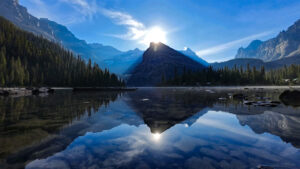
Once you’ve secured your access to Lake O’Hara, the next major consideration is where you’ll be staying. I filmed this section at Lake Oesa, one of the stunning alpine lakes in the area, to showcase the kind of scenery you’ll wake up to if you’re camping. The Lake O’Hara campground is unlike most campgrounds you might be familiar with in other parts of Banff National Park or Jasper National Park—it’s much more rustic and requires careful preparation.
The campground operates on a reservation-only basis, and these spots are highly sought after. I spent considerable time during my week at Lake O’Hara understanding the layout of the campground and what makes for the best camping experience there. The sites are relatively close together compared to more dispersed backcountry camping, but the trade-off is having a central base from which to explore multiple trails without having to pack up and move camp each day.
One of the most important tips I can share is about food storage and wildlife safety. The campground has specific food storage requirements, and you need to follow them strictly. Bears and other wildlife are active in the area, and proper food storage isn’t just a recommendation—it’s essential for both your safety and the wellbeing of the animals. I made sure to document the food storage facilities and explain how to use them properly.
Water sources are another critical consideration. Understanding where you can access clean water for drinking, cooking, and cleaning will make your camping experience much more comfortable. I walk through the water situation at the campground and share strategies for managing your water needs throughout your stay.
The weather at Lake O’Hara can change rapidly, even in summer, so your campsite setup needs to account for potential rain, wind, and even snow depending on the season. I dedicated substantial time in this section to discussing how to choose your campsite if you have options, how to set up for weather protection, and what to expect in terms of facilities. The campground is relatively basic—don’t expect the amenities you’d find at frontcountry campgrounds closer to major highways.
Another practical consideration is arriving and departing. The bus schedule means you’ll need to coordinate your camping dates with available transportation, and there’s limited flexibility once you’re committed to specific dates. I explain how to manage your gear transport on the bus and what to prioritize when packing for your stay.
The Vegetation and Flowers
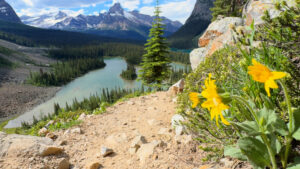
One of the most remarkable aspects of Lake O’Hara is the incredible diversity of alpine vegetation and wildflowers throughout the area. I filmed this segment at Wiwaxy Gap, a dramatic alpine pass that showcases the transition between different ecological zones. The timing of your visit will significantly impact what you see in terms of flowering plants, and I wanted to capture this aspect of the Lake O’Hara experience because the wildflower displays can be absolutely stunning.
The alpine meadows around Lake O’Hara burst into color during the brief summer growing season. Depending on when you visit, you might encounter different species at their peak bloom. The vegetation here has adapted to survive in harsh conditions—short growing seasons, intense UV radiation, cold temperatures, and nutrient-poor soils. Understanding and appreciating these adaptations adds another layer of interest to your hikes.
I made sure to discuss the fragility of alpine vegetation. These plants grow slowly, and damage from foot traffic can take years or even decades to recover. This is why staying on established trails is so critical at Lake O’Hara. The area’s beauty is partly due to the careful management and the cooperation of visitors in protecting these delicate ecosystems.
The different elevations around Lake O’Hara mean you’ll pass through various vegetation zones as you hike. Lower areas near the main lake feature subalpine forests, while higher elevations like Wiwaxy Gap showcase true alpine environments where trees can’t survive and only hardy plants persist. I walk through these transitions in the video so you’ll know what to expect and what to look for as you explore different trails.
Gear to Bring on Your Hikes
Proper gear can make the difference between a comfortable, enjoyable hike and a miserable or even dangerous experience. I filmed this section at Lake Oesa again, using the stunning backdrop to discuss the specific equipment you’ll want to bring for hiking around Lake O’Hara. After spending a week testing different trails in varying conditions, I have specific recommendations based on real experience.
Footwear is your foundation. The trails around Lake O’Hara range from well-maintained paths to rugged alpine routes with significant elevation gain and rocky terrain. I discuss what type of hiking boots or shoes work best for these conditions. Ankle support becomes increasingly important on the more challenging routes, and good traction is essential, especially if you encounter wet rocks or early season snow.
Layering is critical in the alpine environment. Even on a sunny day, temperatures can vary dramatically depending on elevation, time of day, and whether you’re in sun or shade. I explain my layering system and why having options is so important. A base layer, insulating mid-layer, and weatherproof outer layer give you the flexibility to adjust as conditions change. I also discuss the importance of bringing extra layers beyond what you think you’ll need—weather can change quickly, and what starts as a warm morning can turn into a cold, windy afternoon at higher elevations.
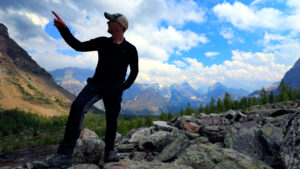
Rain gear is non-negotiable. I experienced this firsthand during my week at Lake O’Hara, and I’m glad I was properly prepared. A quality rain jacket and rain pants can keep you comfortable during unexpected storms. The alternative—getting soaked in cold conditions far from your campsite—can quickly become a safety issue, not just a comfort problem.
Navigation tools deserve careful consideration. While many trails around Lake O’Hara are well-marked, alpine environments can be disorienting, especially if weather moves in. I discuss the value of having a map, and understanding how to use them. Even if you’re comfortable with technology, having a paper backup is wise in areas where battery life and signal can be unreliable.
Sun protection often gets overlooked, but at high elevation, UV radiation is intense. I discuss sunscreen, sunglasses, and hats as essential items, not optional extras. The reflection off snow, water, and rock can intensify sun exposure beyond what you might expect.
Hydration and nutrition are critical for full-day hikes. I explain how much water to carry and strategies for refilling from alpine sources if necessary. Bringing more food than you think you’ll need is smart—hiking at elevation burns more calories than you might expect, and having extra supplies provides a safety buffer if you’re out longer than planned.
First aid and emergency supplies round out your essential gear. I discuss what should be in your first aid kit and why items like emergency shelter, fire-starting materials, and a headlamp or flashlight should always be in your pack, even on day hikes. I also mention the importance of letting someone know your plans and expected return time.
Trekking poles can be valuable, especially on trails with significant elevation change or loose terrain. I share my thoughts on when they’re most useful and how they can reduce stress on your knees during long descents.
Hiking Trails at Lake O’Hara
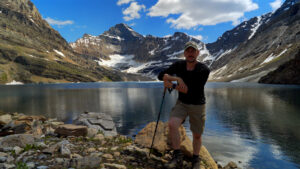
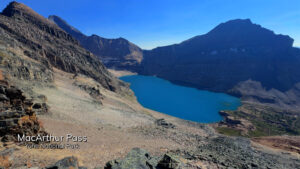
The trail network around Lake O’Hara is extensive and varied, offering everything from gentle lakeside walks to challenging alpine routes. I filmed this section at Lake McArthur, one of the spectacular destinations you can reach from the Lake O’Hara area. After spending a week hiking different trails each day, I can provide detailed insights into what each route offers and help you plan which hikes to prioritize during your stay.
The trails can be broadly categorized by difficulty and the type of experience they provide. Some routes stay relatively low and travel through forest and along lakeshores, while others climb into the alpine zone with significant elevation gain and exposure. Understanding these differences helps you match trails to your fitness level, experience, and the weather conditions during your visit.
Lake Oesa is one of the classic destinations, featuring a beautiful alpine lake set against dramatic cliff walls. The trail to reach it involves steady climbing but rewards you with stunning views and a spectacular destination. I walked through what to expect on this hike, including trail conditions, approximate hiking time, and what makes it such a popular choice.
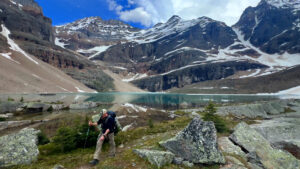
Lake McArthur, where I filmed this section, is another must-see destination. The approach takes you through different terrain, and the lake itself is known for its striking turquoise color. I discuss the elevation gain, distance, and trail characteristics so you know what you’re committing to before you set out.
Wiwaxy Gap is for more experienced hikers comfortable with exposure and scrambling. This route takes you into true alpine terrain with dramatic views but requires sure footing and a head for heights. I explain what makes this trail more challenging and how to assess whether it’s appropriate for your skill level.
The area also features several circuit options that allow you to combine different trails into longer day hikes. These circuits can provide variety and let you experience different perspectives on the landscape without retracing your steps. I discuss some of the popular circuit options and how to plan your day to complete them comfortably.
Trail conditions vary throughout the season. Early in the summer, you might encounter snow on higher routes, while late season can bring new challenges. I share observations about timing and how it affects different trails, helping you make informed decisions about which routes to attempt when.
Distance and elevation gain are important metrics, but they don’t tell the whole story. Technical difficulty, trail conditions, and your own pace all factor into how long a hike will actually take. I provide realistic time estimates based on my experience and explain the factors that might make you faster or slower than average.
Linda Lake, where I filmed the wildlife section, represents another destination option. The variety of lakes in the area means you can structure your days around visiting different destinations, each with its own character and appeal. I walk through multiple options so you can plan an itinerary that matches your interests and abilities.
Wildlife at Lake O’Hara
Lake O’Hara sits within prime wildlife habitat, and encounters with animals are part of the experience. I filmed this section at Linda Lake, an area where I had the opportunity to observe wildlife in their natural environment. Understanding what animals you might encounter and how to respond appropriately is essential for both your safety and the wellbeing of the wildlife.
Bears are the most significant safety consideration. Both black bears and grizzly bears inhabit the area, and you need to be prepared for potential encounters. I discuss bear safety protocols, including making noise on the trail, traveling in groups when possible, and knowing how to respond if you do encounter a bear. Carrying bear spray and knowing how to use it is strongly recommended, and I explain proper bear spray technique and positioning.
The food storage requirements at the campground exist for good reason—bears that become habituated to human food pose dangers to both people and ultimately to the bears themselves. I emphasize the importance of following all food storage regulations and maintaining clean camping practices.
Beyond bears, the area is home to a variety of mountain wildlife. Hoary marmots are commonly seen and heard in alpine areas—their distinctive whistles are a characteristic sound of the high country. Ground squirrels, pikas, and other small mammals are active around the trails and camps. While these animals may seem harmless and even cute, feeding them is prohibited and harmful to their health and natural behaviors.
Mountain goats frequent the rocky terrain around Lake O’Hara, and seeing these impressive animals navigating seemingly impossible cliff faces is memorable. I discuss proper viewing distance and the importance of giving all wildlife space. Mountain goats can become aggressive if they feel threatened or if they’ve become habituated to human presence.
Bird life is abundant, from small songbirds in the forest to ravens and Clark’s nutcrackers at higher elevations. Some visitors might spot ptarmigan in alpine areas, birds that are remarkably well-camouflaged against rocky terrain. While birds present minimal safety concerns, they’re an important part of the ecosystem and add to the wilderness experience.
I also discuss the broader ecological context—understanding that you’re a visitor in wildlife habitat helps frame appropriate behavior. Maintaining distance, storing food properly, staying on trails, and keeping noise levels reasonable all contribute to coexisting safely with the animals that call this area home.
Preparation and Weather Considerations
The final major topic I wanted to cover is preparation and weather, which I filmed at Cathedral Mountain to showcase the dramatic mountain environment that influences local weather patterns. After experiencing various weather conditions during my week at Lake O’Hara, I have firsthand insights into why weather preparedness is so critical for a successful visit.
Mountain weather is inherently unpredictable and can change rapidly. A clear morning can deteriorate into afternoon thunderstorms, and temperatures can swing dramatically based on elevation, time of day, and weather systems moving through. I discuss strategies for monitoring weather before and during your trip, and how to adjust your plans based on conditions.
The elevation at Lake O’Hara means temperatures are generally cooler than valley locations, and nighttime temperatures can drop significantly even in summer. I explain how to prepare for cold conditions and why bringing warmer gear than you might initially think necessary is wise. Hypothermia is a real risk in the mountains, even in summer months, especially if you get wet in cool, windy conditions.
Afternoon thunderstorms are common in the Canadian Rockies during summer months. Lightning is extremely dangerous in exposed alpine terrain, and I discuss how to recognize developing storms and make smart decisions about when to turn back or seek lower ground. Starting your hikes early in the day is partly about avoiding afternoon weather, not just about beating crowds or maximizing daylight.
Physical preparation is equally important. The trails around Lake O’Hara involve significant elevation gain and loss, often at high altitude where the air is thinner. I discuss the importance of building your fitness before your trip and being realistic about your capabilities. Pushing beyond your limits in remote alpine terrain creates risks for you and potentially for rescue personnel.
Altitude can affect people differently, and some visitors experience headaches, fatigue, or other symptoms at higher elevations. Recognizing these symptoms and knowing when to descend is important. Staying hydrated and taking time to acclimatize helps manage altitude effects.
Planning your itinerary requires balancing ambition with realism. I explain how I structured my week to explore different areas while building in flexibility for weather and recovery time. Trying to do too much too quickly can lead to exhaustion, injury, or missing out on the experience because you’re rushing through it.
I also cover the seasonal considerations—when Lake O’Hara is accessible, what conditions are like early versus late in the season, and how timing affects your experience. Snow can persist on higher trails well into summer, and early season visitors should be prepared for winter-like conditions on some routes.
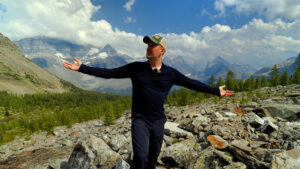
Emergency preparation deserves attention even though we hope never to need it. Knowing what to do if someone in your group is injured, understanding the evacuation procedures, and having a way to call for help if absolutely necessary are all part of responsible trip planning. I discuss these considerations not to create fear but to emphasize the importance of preparation in remote mountain environments.
Throughout my week at Lake O’Hara, I worked to capture not just the stunning scenery but the practical information that makes the difference between a good trip and a great one. The area truly lives up to its reputation as one of the most beautiful places in British Columbia, but that beauty exists within a challenging mountain environment that demands respect and preparation. By understanding how to access the area, how to manage camping logistics, what gear to bring, which trails to explore, how to coexist with wildlife, and how to prepare for mountain weather, you’ll be ready to have your own incredible Lake O’Hara experience. I spent considerable time on this project with the goal of creating a resource that would remain useful for years to come, and I hope this comprehensive guide helps you prepare for your own adventure in this remarkable corner of the Canadian Rockies.